Home & Lifestyle
Sustainability at Home: Reducing Environmental Impact

Reducing Household Waste
Minimizing domestic waste is a fundamental step towards a more sustainable lifestyle. Strategies such as reducing single-use plastics, opting for products with minimal packaging, and repairing instead of replacing items can make a big difference.
Energy Efficiency and Saving
- High-Efficiency Appliances: Choose appliances with energy efficiency labels to reduce consumption.
- LED Lighting: Replace old bulbs with LEDs for significant savings.
Responsible Water Usage
Conserving water is vital. Install low-flow devices, collect rainwater for plants, and fix leaks to reduce waste.
Choosing Sustainable and Organic Products
Prefer eco-friendly and organic products. These products support sustainable practices and reduce exposure to harmful chemicals.
Recycling and Composting
Learn to recycle effectively by separating waste and start composting organic scraps. These practices reduce landfill load and enrich the soil.
Gardening and Home Cultivation
Creating a green space at home, like a garden or urban farm, contributes to biodiversity and provides fresh, sustainable food.
Environmental Education in the Family
Incorporate environmental education into daily family life. Discussion and shared actions can inspire all family members to live more sustainably.
Technologies and Innovations for Home Sustainability
Explore the latest innovations in sustainable technologies, like renewable energy systems and smart devices for home energy management.
In conclusion, adopting sustainable habits at home not only reduces the environmental impact but also contributes to a greener and healthier future for all. Every small action can make a big difference.
Recent Posts

Travel & Exploration
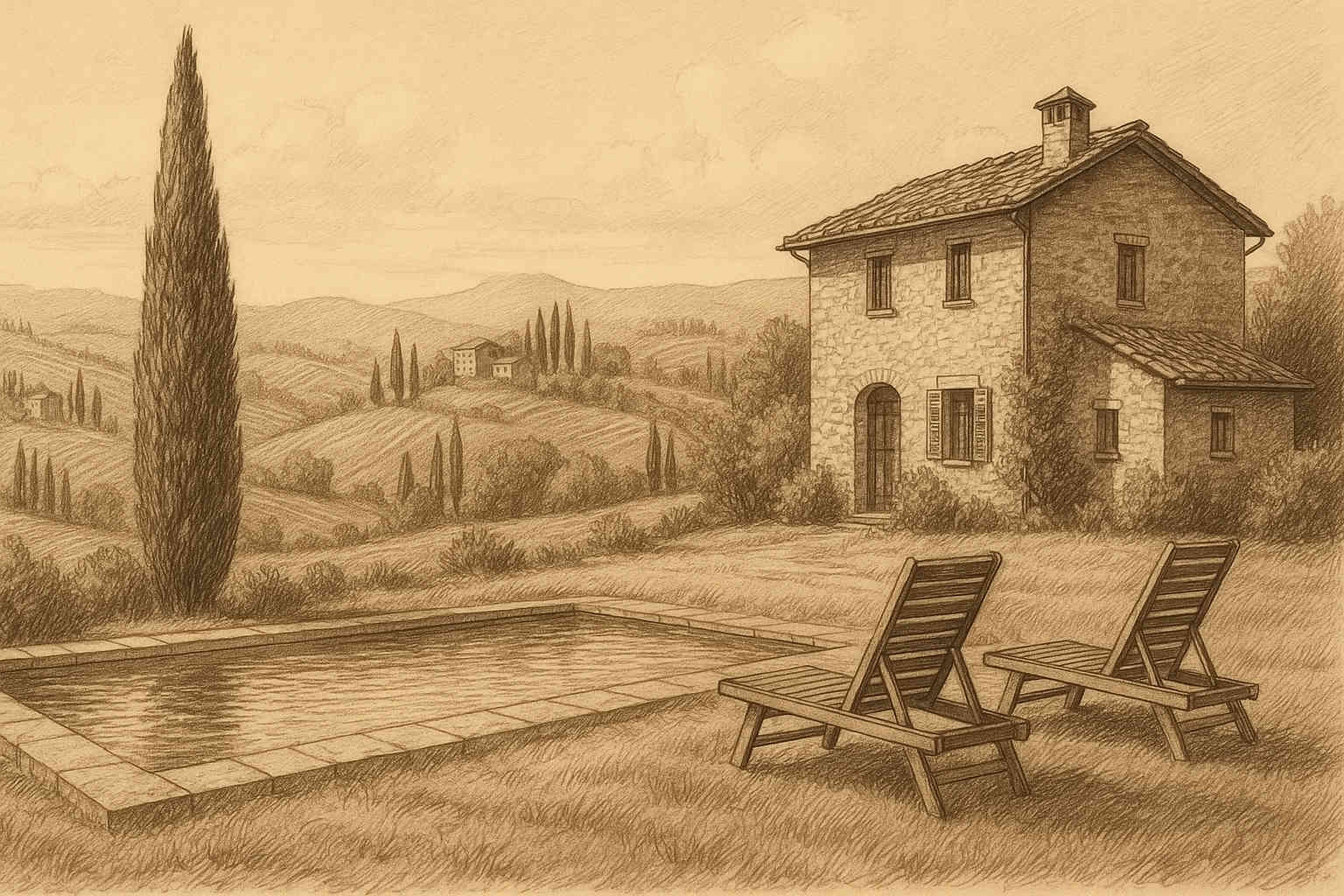
Living the Italian Dream in Timeless Tuscany

Travel & Exploration
Discover the Best Outlet Shopping Experiences Near Florence
Most Popular
Arts & Entertainment
Photography for Beginners: Techniques and Tips

Finance & Savings
Investing for Beginners: Where and How to Start