
Relationships & Communication
Body Language: Secrets and Tips
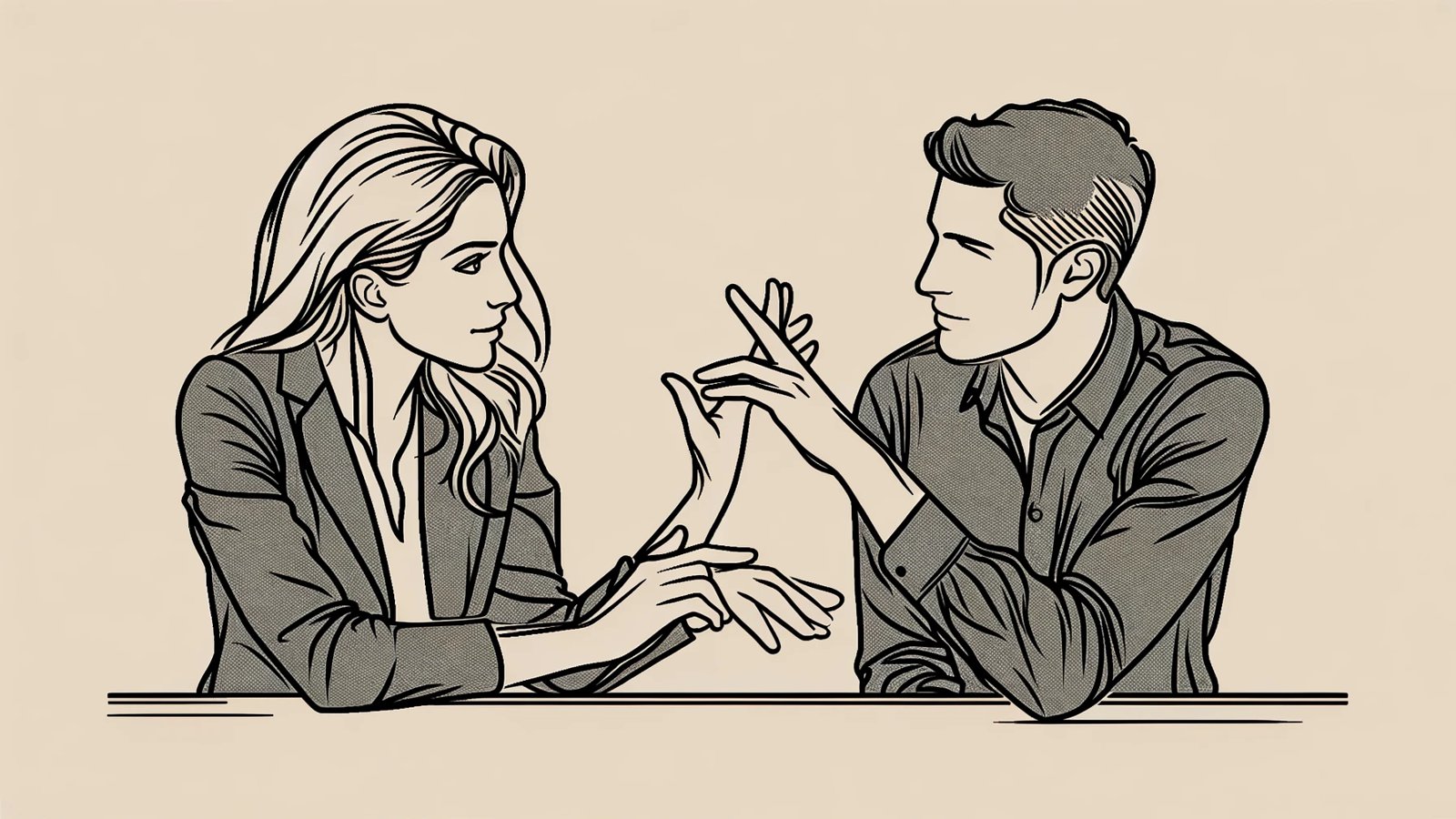
Basics of Body Language
Body language, an essential component of non-verbal communication, plays a crucial role in how we interact with others. Understanding basic concepts and meanings of non-verbal language can significantly improve daily interactions.
Interpreting Common Gestures
Understanding common gestures and facial expressions allows for a better interpretation of others' intentions and emotions. A genuine smile or crossed arms can convey much more than words.
Body Language in Professional Context
In the workplace, body language can influence perceptions of competence and trustworthiness. During meetings, an open and confident posture can convey confidence and leadership.
The Importance of Eye Contact
Eye contact is crucial for establishing a connection and communicating sincerity. However, it's important to balance it to avoid appearing intimidating or invasive.
Posture and Positioning
Your posture and body positioning influence how others perceive you. An upright posture and open positioning invite interaction and show openness.
Body Language in Personal Relationships
In personal relationships, body language plays a key role in conveying affection, empathy, and interest. Small gestures can have a big impact on relationships.
Common Mistakes in Body Language and How to Avoid Them
Unconscious gestures like fidgeting or avoiding eye contact can send negative signals. Being aware of these behaviors is the first step to avoiding them.
Exercises to Improve Your Body Language
Practicing awareness of your own body language through exercises can improve non-verbal communication. Activities like video recording yourself during a speech can be helpful.
In conclusion, understanding and applying body language can enrich communication and improve interpersonal relationships. It's a valuable skill in all aspects of life.
Recent Posts


Travel & Exploration
Living the Italian Dream in Timeless Tuscany

Travel & Exploration
Discover the Best Outlet Shopping Experiences Near Florence
Most Popular
Arts & Entertainment
Photography for Beginners: Techniques and Tips

Finance & Savings
Investing for Beginners: Where and How to Start